
 EASA Part-IS is the European aviation framework for managing information security risks that can affect aviation safety. It requires approved aviation organisations to establish a structured information security management system, assign responsibilities, assess risks, manage incidents, and demonstrate continuous improvement. For airlines, MROs, CAMOs, training organisations, aerodrome operators, ATM/ANS organisations and other approved entities, EASA Part-IS is now a practical compliance topic rather than only an IT concern.
Unlike a purely IT-driven cyber programme, EASA Part-IS expects organisations to connect information security governance with operational risk, safety assurance, reporting processes, contracted services, and management oversight. This is why many organisations now need a cross-functional implementation approach involving safety, compliance monitoring, quality, engineering, IT, security, operations, and senior management.
Related Aviation Compliance Topics
If you are building an integrated compliance roadmap, you may also find these service pages useful:
What is EASA Part-IS?
EASA Part-IS is the regulatory framework that requires aviation organisations and competent authorities in scope to manage information security risks with a potential impact on aviation safety. In practical terms, it introduces a formal information security management system that must be defined, implemented, monitored, and continuously improved.
This means organisations are expected to move beyond ad hoc cybersecurity controls and build a regulator-ready structure covering governance, roles and responsibilities, risk assessment, occurrence reporting, incident response, recovery, contracted activities, change management, and oversight evidence. For many aviation organisations, EASA Part-IS compliance is therefore both a regulatory and organisational transformation exercise.
For official background and rule references, organisations should review the EASA Information Security overview, the EASA Part-IS FAQs, and the Easy Access Rules for Information Security.
Who must comply with EASA Part-IS?
EASA Part-IS affects a broad range of aviation organisations. Depending on approval type and regulatory context, the scope may include maintenance organisations, continuing airworthiness organisations, operators, training organisations, aerodrome operators, ATM/ANS organisations, and other approved entities whose information systems and data can influence aviation safety.
That is why organisations already working on EASA TCO compliance, EASA Part-145 compliance, maintenance organisation approval, or SMS training should not treat information security as a separate side topic. In many cases, EASA Part-IS implementation overlaps with management system design, reporting pathways, organisational accountability, supplier oversight, and regulator-facing evidence preparation.
Why EASA Part-IS matters for aviation organisations
An effective EASA Part-IS programme is not just about preventing cyber incidents. It is about protecting operational continuity, preserving data integrity, safeguarding critical systems, and ensuring that information security risks do not degrade aviation safety performance.
For many organisations, the challenge is not understanding the concept of cybersecurity. The challenge is creating a structured, documented, auditable and regulator-ready system that demonstrates how information security is governed, monitored and improved in an aviation context.
What does EASA Part-IS require in practice?
In practical terms, EASA Part-IS compliance requires more than a policy statement. Organisations should be prepared to demonstrate a functioning information security management system supported by documented processes and real implementation evidence.
- Defined governance structure, responsibilities and accountable oversight
- Information security policy and implementation framework
- Risk identification, assessment and treatment logic
- Incident detection, reporting, response and recovery arrangements
- Management of contracted activities and external service risks
- Internal monitoring, assurance, corrective action and continuous improvement
- Evidence that the system is operating in a practical and reviewable way
Because of this, many organisations start with a structured gap assessment, evidence mapping exercise, governance review, asset and interface analysis, and implementation roadmap. If your organisation already maintains formal management systems, SMS support and aviation compliance support can significantly reduce duplication and improve implementation efficiency.
EASA Part-IS and existing information security frameworks
Many aviation organisations already have cybersecurity controls, ISO/IEC 27001 elements, enterprise IT governance or corporate security programmes in place. That can be a strong starting point, but EASA Part-IS still requires aviation-specific alignment. The regulatory expectation is not just technical protection; it is the management of information security risks with a potential impact on aviation safety.
This is why a dedicated aviation review remains important. Existing control libraries may already address access management, asset control, backups, logging, response, and supplier oversight. However, organisations still need to determine whether those controls are governed, documented and evidenced in a way that aligns with EASA Part-IS and the operational realities of aviation approvals.
Scope, timing and implementation readiness
For management teams, one of the most important lessons is that EASA Part-IS should be treated as an active implementation programme rather than a future awareness topic. Even where organisations already understand the regulation, the work usually remains in translating requirements into governance, documented processes, risk evidence, reporting logic, contracted activity control, and oversight records.
In practice, regulator readiness depends on whether the organisation can show that its information security management system is present, suitable, implemented, and progressively improving. This usually requires cross-functional engagement, not only IT input.
EASA Part-IS presentation and official references
To support internal briefings and management workshops, you can also add a downloadable presentation to this article. This is useful when introducing EASA Part-IS compliance to leaders, engineering teams, safety personnel, compliance managers and IT stakeholders.
EASA_Part-IS_Compliance
How to build an EASA Part-IS compliance roadmap
For many operators and approved organisations, the most efficient way to approach EASA Part-IS compliance is through a staged roadmap:
- Determine scope and organisational interfaces across operations, maintenance, continuing airworthiness, training, aerodrome or ATM/ANS environments as applicable.
- Perform a gap analysis against EASA Part-IS requirements, existing controls, approvals and governance arrangements.
- Map evidence and responsibilities so that policy, process owners, risk controls and reporting lines are clearly assigned.
- Develop implementation documents including governance logic, procedures, reporting flows, response and recovery arrangements, and management review inputs.
- Integrate with existing management systems such as compliance monitoring, SMS, QMS and contractor oversight processes.
- Test, review and improve through internal assessment, corrective action tracking, and regulator-ready evidence preparation.
Where approvals such as EASA TCO or EASA Part-145 are already in place, organisations can often accelerate implementation by aligning information security oversight with existing regulatory governance and assurance mechanisms.
Preparing for EASA Part-IS, EASA TCO, UK CAA TCO or Part-145 compliance?
Aero Support Group supports airlines, MROs, airports and aviation organisations worldwide with regulatory compliance, audit preparation, management system implementation, evidence mapping and regulator-ready documentation aligned with ICAO, IATA, EASA, UK CAA and FAA requirements.
Follow Our LinkedIn Newsletter
Subscribe to our LinkedIn newsletter for weekly aviation safety, compliance and regulatory insights covering EASA, ICAO, IOSA, ISAGO, Part-145, SMS and operational best practices.
Our Aviation Consulting Services
Explore Aero Support Group aviation safety consulting and aviation compliance support services. Each service below links to the relevant page for full scope and deliverables.
🔐 EASA Part-IS Readiness Support Practical support for EASA Part-IS compliance programmes including gap analysis, governance review, implementation planning and regulator-ready evidence development.
|
🇪🇺 EASA TCO Consultancy EASA Third Country Operator compliance consulting supporting regulatory readiness, documentation preparation, SMS evidence alignment and authority coordination.
|
🇬🇧 UK CAA TCO Approval UK CAA TCO consulting including regulatory readiness, documentation alignment and oversight preparation for non-UK operators.
|
🛠️ EASA Part-145 Consulting EASA Part-145 maintenance organisation consulting including MOE development, compliance monitoring systems, SMS integration and approval readiness.
|
📄 Part-145 Organization Approval End-to-end consulting for establishing and obtaining EASA Part-145 maintenance organisation approval.
|
🛡️ SMS Consulting Safety Management System consulting supporting design, implementation, integration and continuous improvement aligned with ICAO and EASA expectations.
|
🎓 SMS Training Safety Management System training programmes supporting awareness, implementation, audit preparation and operational performance improvement.
|
🌍 ICAO USOAP Consulting ICAO USOAP consulting supporting authorities and aviation organisations with audit readiness, CAP implementation and oversight system improvement.
|
Aviation Safety Consulting and Compliance Support
Aero Support Group supports airlines, airports, MROs and aviation service providers worldwide with regulatory compliance, audit preparation and safety implementation programmes aligned with ICAO, IATA, EASA, UK CAA and FAA requirements.
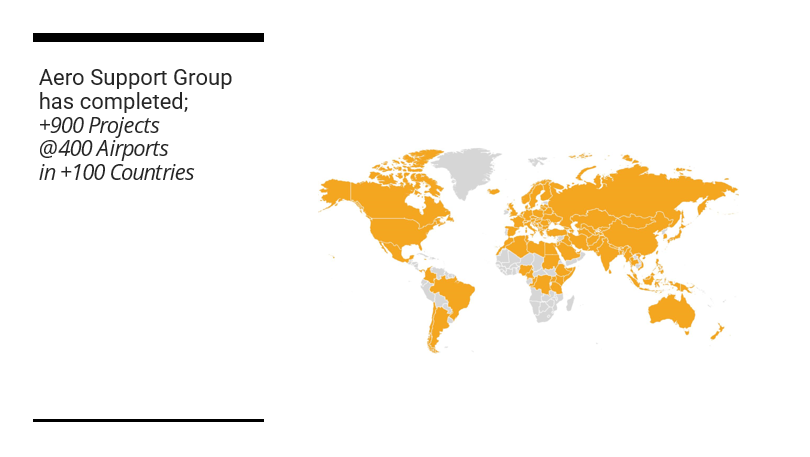
Supporting aviation organisations across more than 100 countries worldwide. |
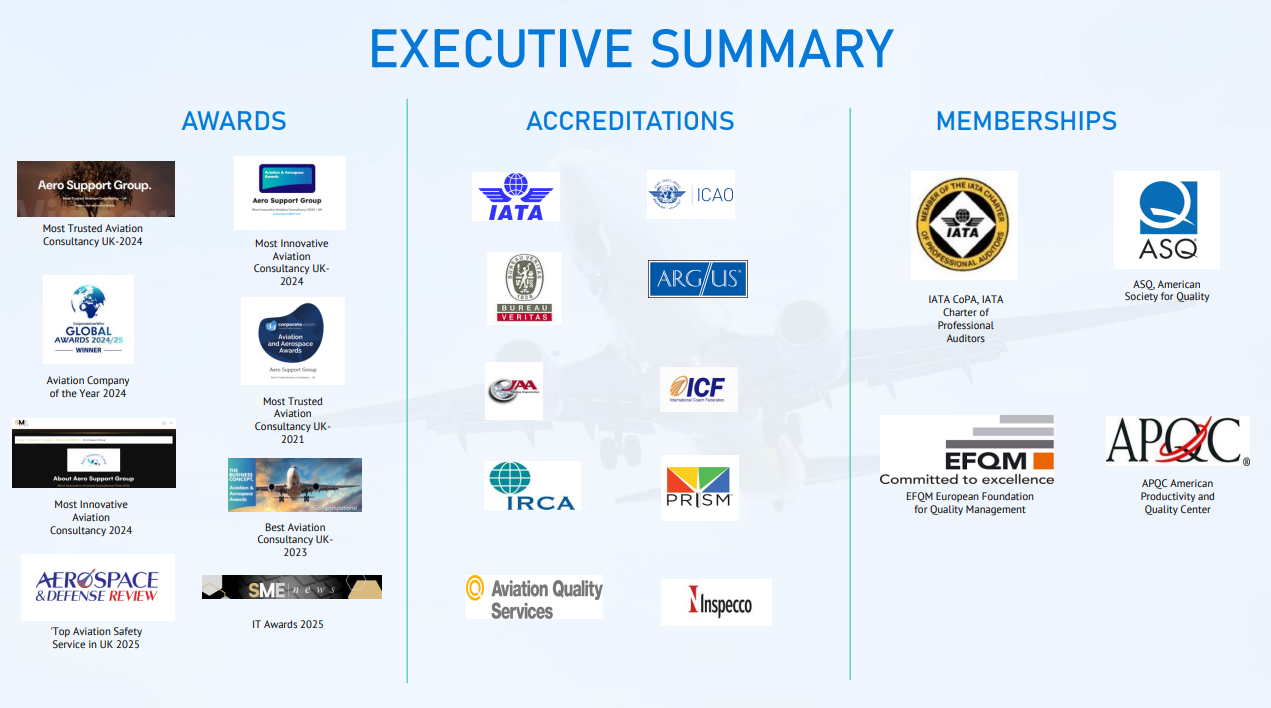 |

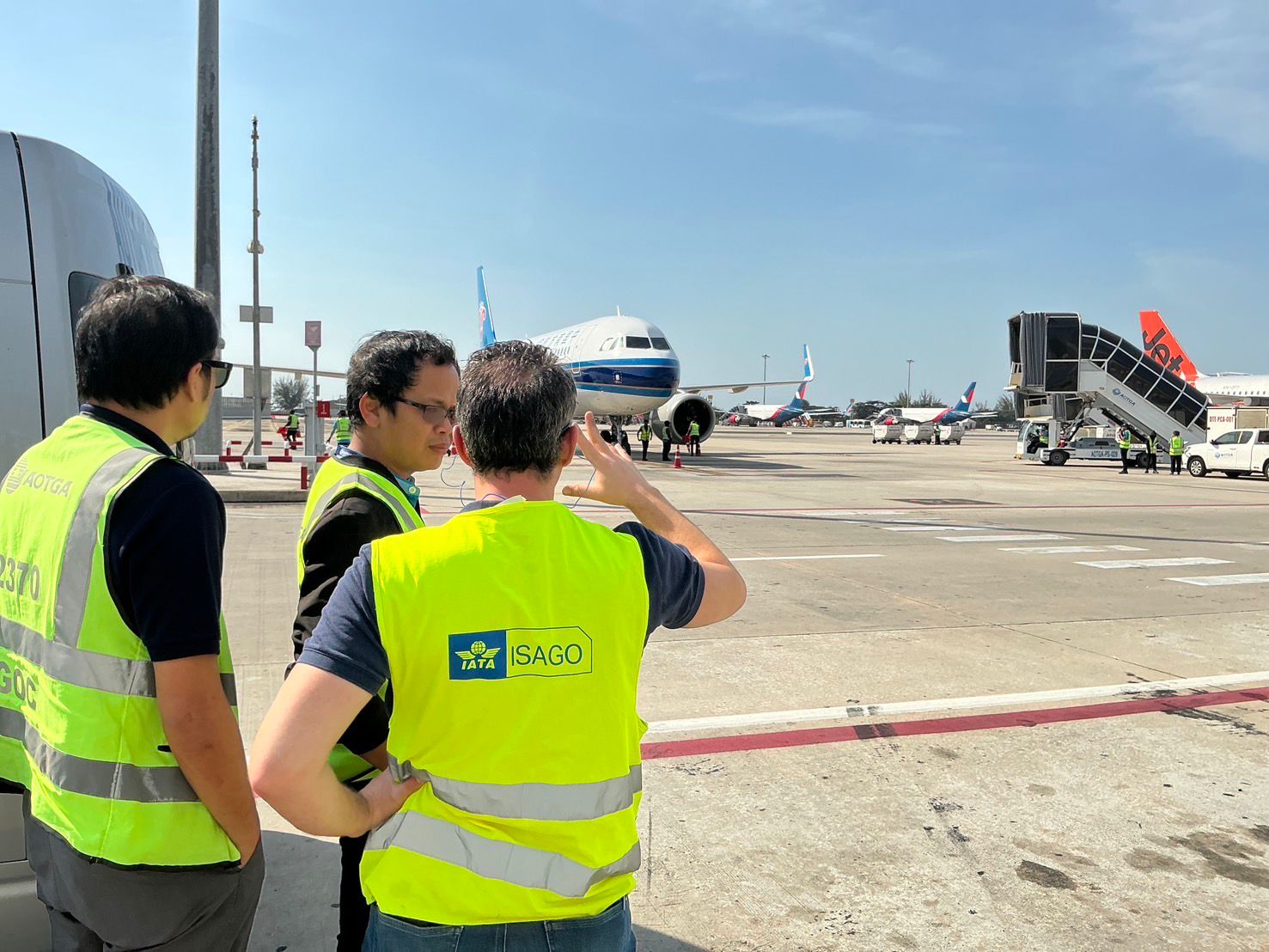

Need support with EASA Part-IS implementation or aviation compliance readiness?
Our aviation consultants support airlines and aviation organisations worldwide with regulatory compliance, management system implementation, evidence mapping, safety assurance integration and successful international approval readiness.